
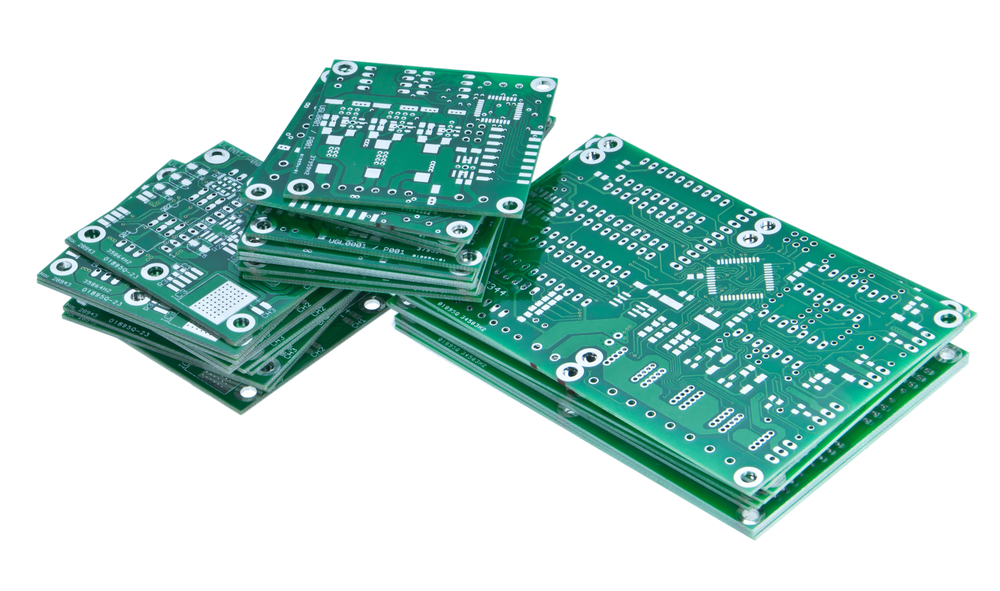
As electronics manufacturing continues to grow, so does the need for responsible waste management. Printed circuit boards (PCBs) are essential components in nearly every electronic device, from smartphones and computers to industrial machinery and medical equipment. However, what happens when these circuit boards become obsolete, defective, or are no longer needed?
PCB recycling and reuse can help manufacturers reduce electronic waste, recover valuable materials, and potentially lower production costs.
At ACME PCB Assembly, we understand the importance of maximizing manufacturing resources and exploring opportunities to reuse or rework existing printed circuit boards.
Can Printed Circuit Boards Be Recycled?
Yes, printed circuit boards can be recycled, although the process is more complicated than recycling common materials such as paper, aluminum, or plastic.
A typical bare PCB consists of several materials bonded together, including:
- Copper: Used to create conductive pathways that connect electronic components.
- FR-4 fiberglass: A flame-resistant composite material commonly used as the board’s insulating substrate.
- Epoxy resin: Helps bind fiberglass layers together and provides structural support.
- Metal finishes: Depending on the PCB design, these may contain tin, nickel, gold, or silver.
Because these materials are combined into multiple layers, separating and recovering them requires specialized recycling processes.
Professional electronics recyclers may use mechanical separation, chemical processing, or other recovery technologies to extract reusable metals and manage the remaining materials.
Reusing Unused PCBs Before Recycling
Imagine ordering a large quantity of printed circuit boards to prepare for increased production. Months later, the product is discontinued, leaving hundreds or thousands of unused PCBs sitting in storage.
Before disposing of these boards, consider whether they can be reused or modified.
In some cases, existing PCBs may be suitable for another production run, a revised product, or a compatible electronic application.
However, reusing bare circuit boards depends on their original design, electrical layout, dimensions, and compatibility with the new product.
A PCB designed for one electronic device cannot always be easily converted for another application.
An experienced PCB assembly provider can help evaluate whether existing inventory has practical reuse potential.
PCB Rework and Component Recovery
Another option for reducing electronic manufacturing waste is PCB rework.
Unlike bare PCB recycling, PCB rework generally involves modifying or repairing assembled circuit boards.
Technicians can use specialized equipment to remove, replace, or resolder surface-mounted electronic components.
These services may help manufacturers recover usable assemblies, correct production defects, or implement approved engineering modifications.
At ACME PCB Assembly, our team has experience with electronic component removal and replacement, helping customers explore practical solutions for existing PCB assemblies.
Designing More Recyclable Printed Circuit Boards
Electronics design engineers can also support recycling efforts by considering material recovery during product development.
Potential strategies include:
- Selecting materials that are compatible with established recycling processes.
- Reducing unnecessary material complexity when possible.
- Designing products that allow easier disassembly and component separation.
- Using standardized components when practical.
- Maintaining accurate manufacturing documentation.
- Working with qualified electronics recycling companies.
Considering recyclability during the design phase can help reduce waste and support more sustainable electronics manufacturing.
Frequently Asked Questions About PCB Recycling
Can bare printed circuit boards be recycled?
Yes. Bare PCBs contain recoverable materials, particularly copper and other metals. However, recycling requires specialized processes because the metals are bonded to fiberglass and resin materials.
Can unused printed circuit boards be reused?
Sometimes. Unused PCBs may be suitable for another production run or compatible electronic application. Reuse depends on the board’s design, condition, and electrical requirements.
What valuable materials can be recovered from PCBs?
Depending on the board design, recyclers may recover copper, gold, silver, and other metals. The amount and economic value of recoverable materials vary.
What is the difference between PCB recycling and PCB rework?
PCB recycling involves recovering materials from discarded circuit boards. PCB rework involves modifying or repairing existing electronic assemblies so they can potentially be used again.
Are printed circuit boards considered electronic waste?
Discarded printed circuit boards are commonly managed as electronic waste. Appropriate handling and recycling requirements depend on their composition and applicable regulations.
Can PCB assembly companies help reduce manufacturing waste?
Yes. PCB assembly providers may help reduce waste through component recovery, assembly repairs, approved design modifications, and evaluating opportunities to reuse existing inventory.
Reduce Electronic Waste with ACME PCB Assembly
Before throwing away unused printed circuit boards or obsolete electronic assemblies, consider whether they can be reused, modified, or professionally recycled.
At ACME PCB Assembly, we understand that electronic components and manufacturing materials represent a significant investment.
Our experienced team can help evaluate your PCB assembly and rework requirements to determine whether existing boards may have additional value.
Contact ACME PCB Assembly today to discuss your unused PCB inventory, electronic assembly needs, or potential rework projects.
Phone: 310-715-1898