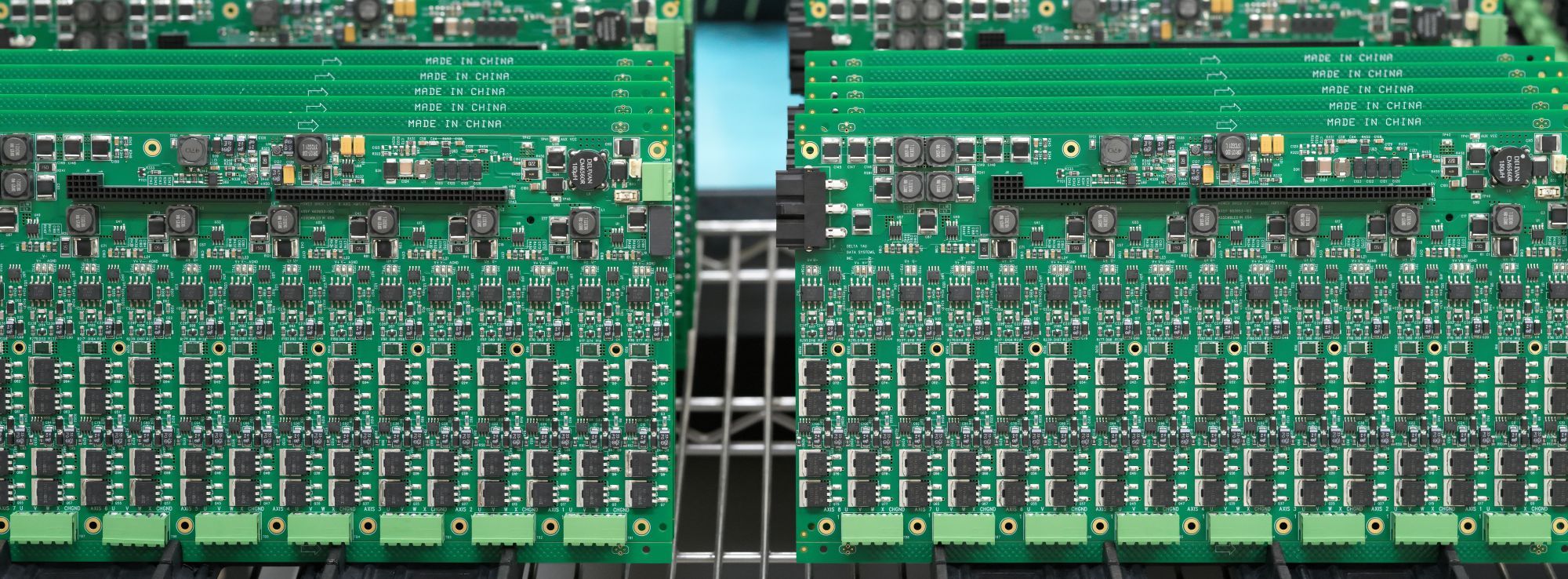
Preventing PCB failure is essential for ensuring long-term reliability in any electronic product. Even a single defective circuit board can lead to system malfunction, equipment downtime, safety hazards, or expensive product recalls. Because failures may occur during assembly, testing, transport, or field operation, companies must work with a manufacturing partner that maintains strict quality control throughout every step of the PCB assembly process. YIC is committed to preventing PCB failure by applying precise assembly techniques, using high-quality materials, employing expert technicians, and conducting comprehensive inspections from start to finish.
One of the most common contributors to PCB failure is poor soldering quality. Cold solder joints, solder bridges, insufficient wetting, voids, and overheated pads can all interfere with electrical continuity and mechanical stability. These defects often develop in manufacturing environments that lack proper temperature control or skilled oversight. YIC avoids these risks by using precision SMT placement, carefully regulated reflow profiles, and IPC-certified technicians who understand how to achieve flawless solder joints. Consistency in soldering is critical, and YIC’s controlled PCB assembly process significantly reduces the likelihood of premature field failures.
Component placement errors also account for a large percentage of PCB malfunctions. Misalignment, incorrect polarity, bent leads, or improper positioning of BGAs and fine-pitch components can cause immediate failure once power is applied. To prevent such issues, YIC uses advanced FUJI pick-and-place machines capable of exceptional accuracy. Automated inspection systems verify correct alignment and orientation before boards proceed to the soldering stage, ensuring that every part is securely and correctly mounted during PCB assembly.
Design flaws are another major contributor to PCB reliability problems. Improper trace width, inadequate grounding, incorrect pad sizing, poor thermal management, and insufficient spacing can compromise performance or lead to early failure. YIC addresses these challenges through upfront DFM (Design for Manufacturability) reviews. These evaluations help identify potential risks early, allowing customers to correct design flaws before entering production. This proactive approach saves time and prevents costly redesigns later in the assembly cycle.
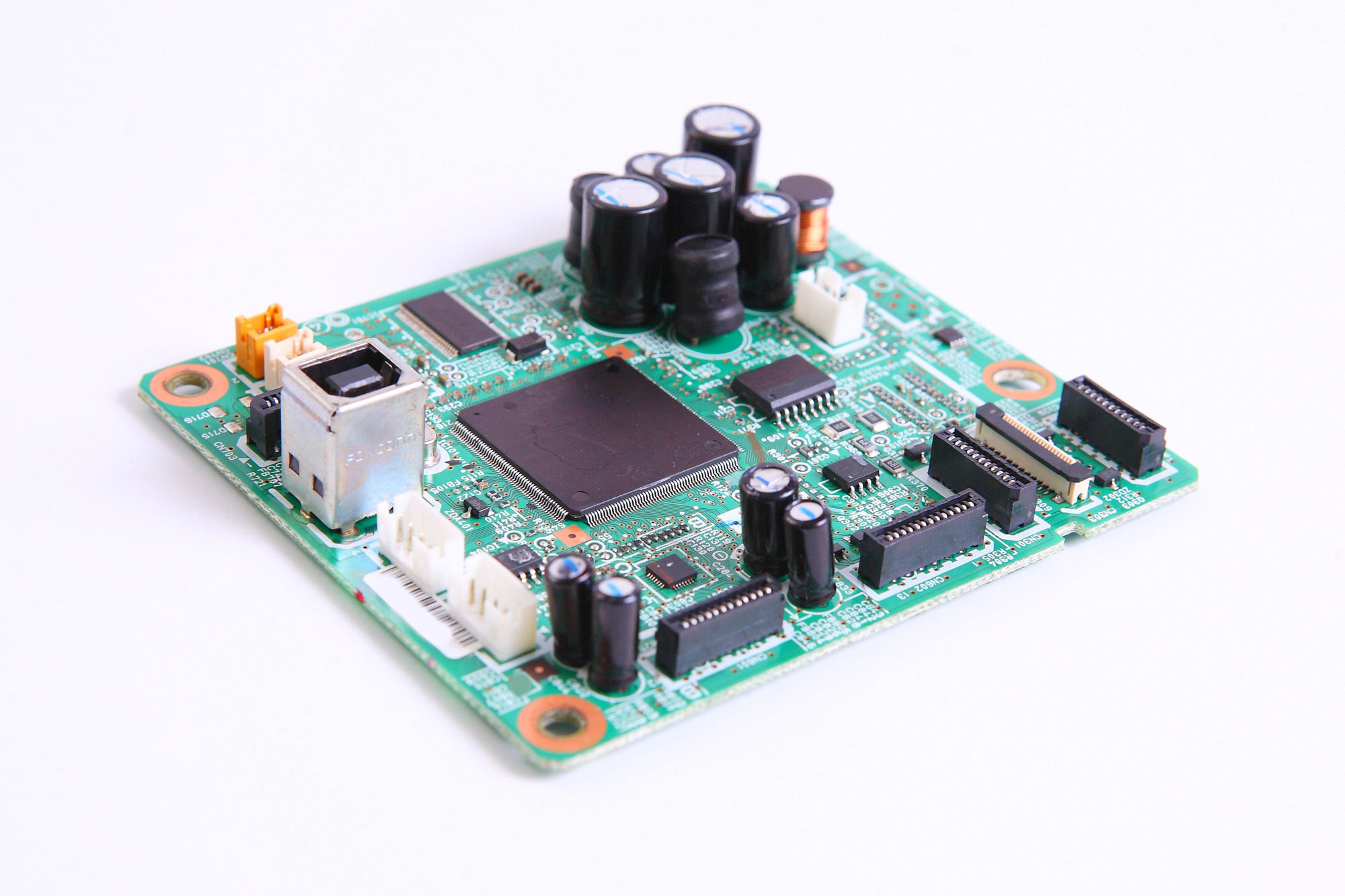
Material quality plays a significant role in long-term PCB performance. Substandard components, counterfeit parts, or low-grade substrates can degrade rapidly under stress. YIC sources components only from trusted, traceable suppliers and uses quality materials suitable for a range of environmental conditions. This ensures that each PCB produced through YIC’s assembly services maintains stable performance throughout its lifespan.
Testing serves as one of the strongest defenses against PCB failure. YIC implements multiple layers of inspection, including Automated Optical Inspection (AOI), continuity checks, functional testing, and detailed solder joint evaluation. For more complex PCB assembly projects, X-ray inspection is used to validate BGA and internal connections. These measures catch hidden defects that might otherwise lead to failure in the field.
Environmental stresses—including vibration, moisture, thermal cycling, and mechanical shock—also threaten PCB longevity. YIC accounts for these challenges by recommending proper materials, reinforcing weak points, and following best practices in PCB assembly to ensure durability under demanding conditions.
By combining strong engineering support, disciplined PCB assembly methods, premium materials, and rigorous testing, YIC helps customers eliminate common failure points and achieve dependable, long-lasting electronic products.