
Flexible circuit boards are reshaping the electronics industry by enabling compact, lightweight, and highly adaptable designs. Unlike traditional rigid PCBs, flexible circuit boards are built on bendable substrates such as polyimide that allow circuits to twist, fold, and conform to unique shapes. This versatility opens new possibilities for modern electronic devices across medical, aerospace, industrial, and consumer markets.
One of the primary advantages of flexible circuit boards is space optimization. As product designs become smaller and more complex, engineers must maximize every millimeter of available space. In applications such as wearable technology, implantable medical devices, drones, and advanced instrumentation, reducing size and weight is critical. Flexible circuits eliminate bulky connectors and excessive wiring by integrating multiple interconnections into a single streamlined design. This reduces assembly complexity while enhancing overall system performance.
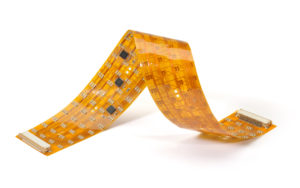
Flex PCBs also improve reliability. Traditional wiring harnesses and rigid interconnects can loosen or fail under vibration, thermal cycling, or repeated movement. Flexible circuit boards are designed to withstand dynamic environments, absorbing mechanical stress without compromising electrical integrity. By minimizing connectors and solder joints, flex PCBs reduce common failure points and improve long-term durability. This makes them ideal for automotive systems, aerospace electronics, robotics, and portable medical equipment.
Design flexibility is another major benefit. Engineers can create complex three-dimensional configurations that would be impossible with rigid boards alone. Flexible circuit boards can bend around corners, fold within enclosures, or integrate into curved surfaces. In many cases, rigid-flex PCB designs combine the structural support of rigid boards with the adaptability of flex materials, offering the best of both technologies. This approach supports innovative product development while maintaining mechanical strength and electrical stability.
In addition to performance benefits, flexible circuit boards can help reduce overall production costs. By consolidating wiring and minimizing assembly steps, manufacturers can decrease labor time and simplify installation. Fewer components also mean reduced inventory requirements and improved supply chain efficiency. For high-volume production, these savings can significantly impact the bottom line.
However, manufacturing flexible circuit boards requires specialized expertise in materials, layout, and assembly processes. Flex substrates must be handled carefully to prevent creasing or tearing. Proper design considerations such as bend radius, copper thickness, and strain relief must be incorporated early in development. Working with an experienced electronics manufacturing partner ensures that these critical factors are addressed throughout fabrication and assembly.
YIC Assembly supports customers with high-quality flexible circuit boards tailored to specific application requirements. Their advanced PCB manufacturing capabilities ensure precision, durability, and consistent performance in every project. From prototyping to full-scale production, their team works closely with clients to deliver reliable flex PCB solutions. Explore their flexible circuit board capabilities.
As electronic devices continue to evolve toward smaller, lighter, and more efficient designs, flexible circuit boards will remain a cornerstone of innovation. Companies seeking advanced, space-saving solutions can benefit from partnering with a trusted PCB assembly provider. Start your next prototype at YIC by contacting the team today and discover how flexible circuit boards can elevate your product design.