
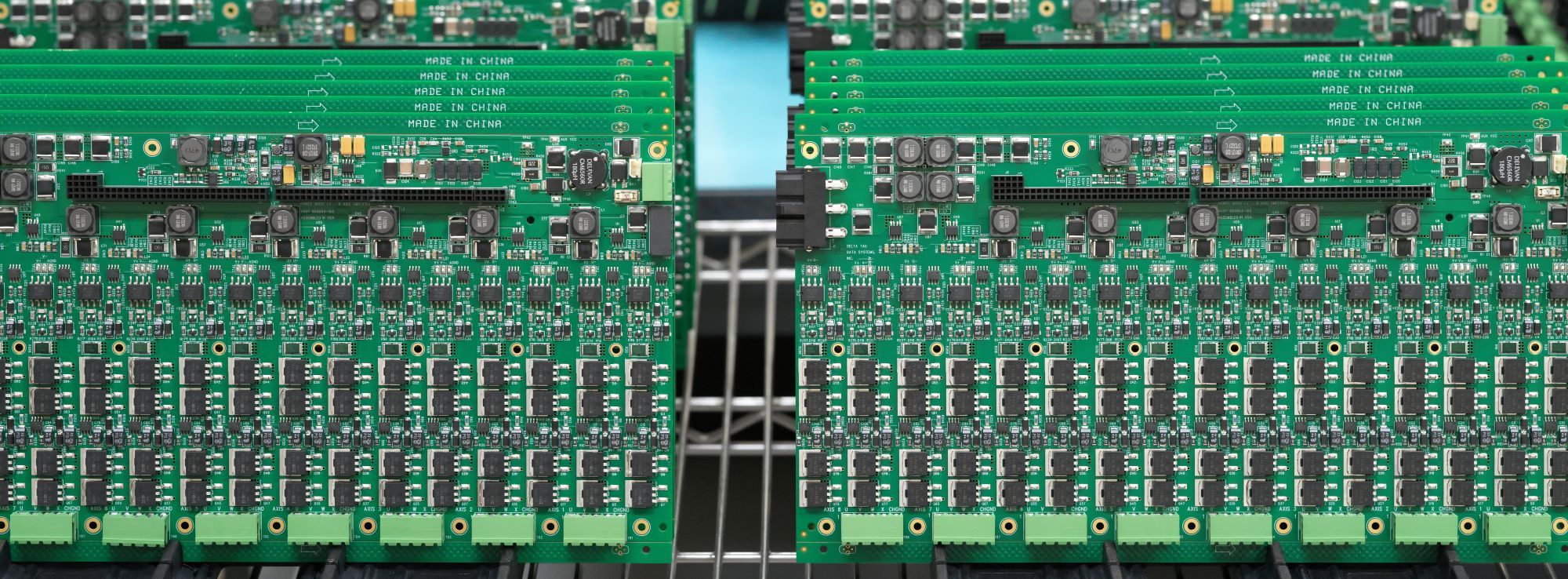
As environmental regulations continue to evolve, lead-free PCB assembly has become the industry standard for compliant and responsible electronics manufacturing. Global initiatives such as RoHS and similar directives restrict the use of hazardous substances in electronic products, requiring manufacturers to adopt lead-free materials and processes. Meeting these regulations is essential not only for legal compliance, but also for maintaining market access and meeting customer expectations.
Lead-free PCB assembly relies on alternative solder alloys that eliminate lead while still providing strong mechanical bonds and reliable electrical connections. These alloys, typically based on tin, silver, and copper, behave differently than traditional leaded solder. Higher melting points and narrower processing windows require greater precision and process control throughout the assembly operation. Without the proper expertise, lead-free assembly can introduce risks such as thermal stress, poor solder joints, or reduced reliability.
Effective process management is critical to achieving consistent, high-quality results in lead-free PCB assembly. From solder paste selection and stencil design to component placement, reflow profiling, and post-assembly inspection, every step must be carefully controlled. Experienced manufacturers understand how to balance temperature profiles, material compatibility, and component sensitivity to ensure durable solder joints without damaging sensitive electronics.
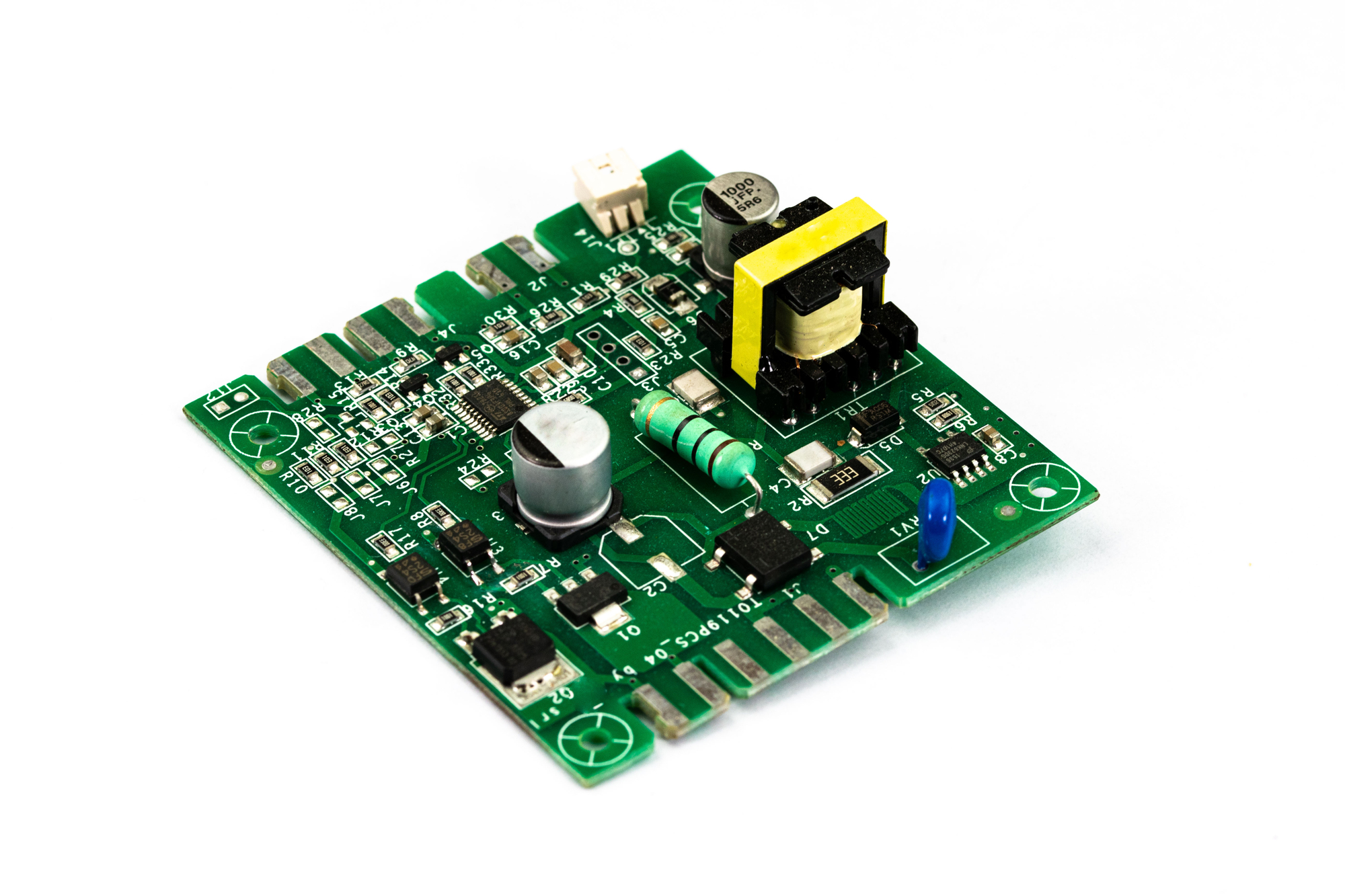
YIC Assembly Services offers lead-free PCB assembly supported by proven processes, skilled technicians, and established quality standards. By combining compliant materials with precise manufacturing controls, assemblies meet regulatory requirements while delivering dependable performance across a wide range of applications. Comprehensive inspection and testing procedures help verify solder integrity and overall assembly quality before products move into service.
Lead-free assembly is critical for industries such as consumer electronics, medical devices, telecommunications, automotive electronics, and industrial systems. In these markets, compliance ensures products can be sold globally while maintaining high standards for safety and reliability. Customers increasingly expect environmentally responsible manufacturing practices, making lead-free assembly an important factor in brand trust and product acceptance.
Beyond regulatory compliance, lead-free PCB assembly supports long-term reliability when executed correctly. Advances in solder alloy formulations, process automation, and inspection technologies have made modern lead-free assemblies suitable for demanding operating environments. When properly managed, lead-free solder joints can deliver excellent thermal stability, mechanical strength, and extended service life.
Successful lead-free assembly also requires close collaboration between engineering and manufacturing teams. Design considerations such as pad geometry, component selection, and thermal management play a significant role in achieving reliable results. Manufacturers with in-house engineering support can help identify potential issues early and optimize designs for lead-free production.
Choosing a knowledgeable manufacturing partner is key to successful lead-free PCB assembly. With the right expertise, companies can meet regulatory requirements, protect brand reputation, reduce production risk, and deliver products that perform reliably in the field while supporting environmental responsibility.