
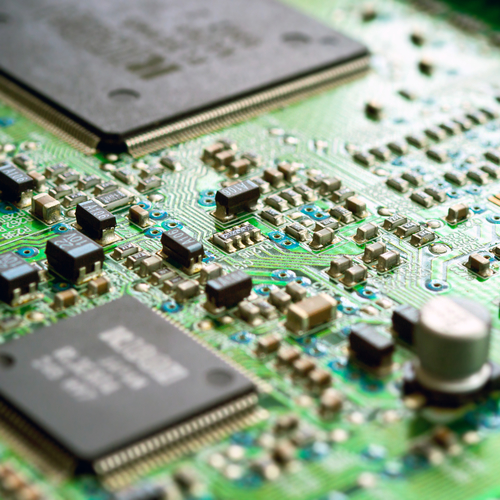
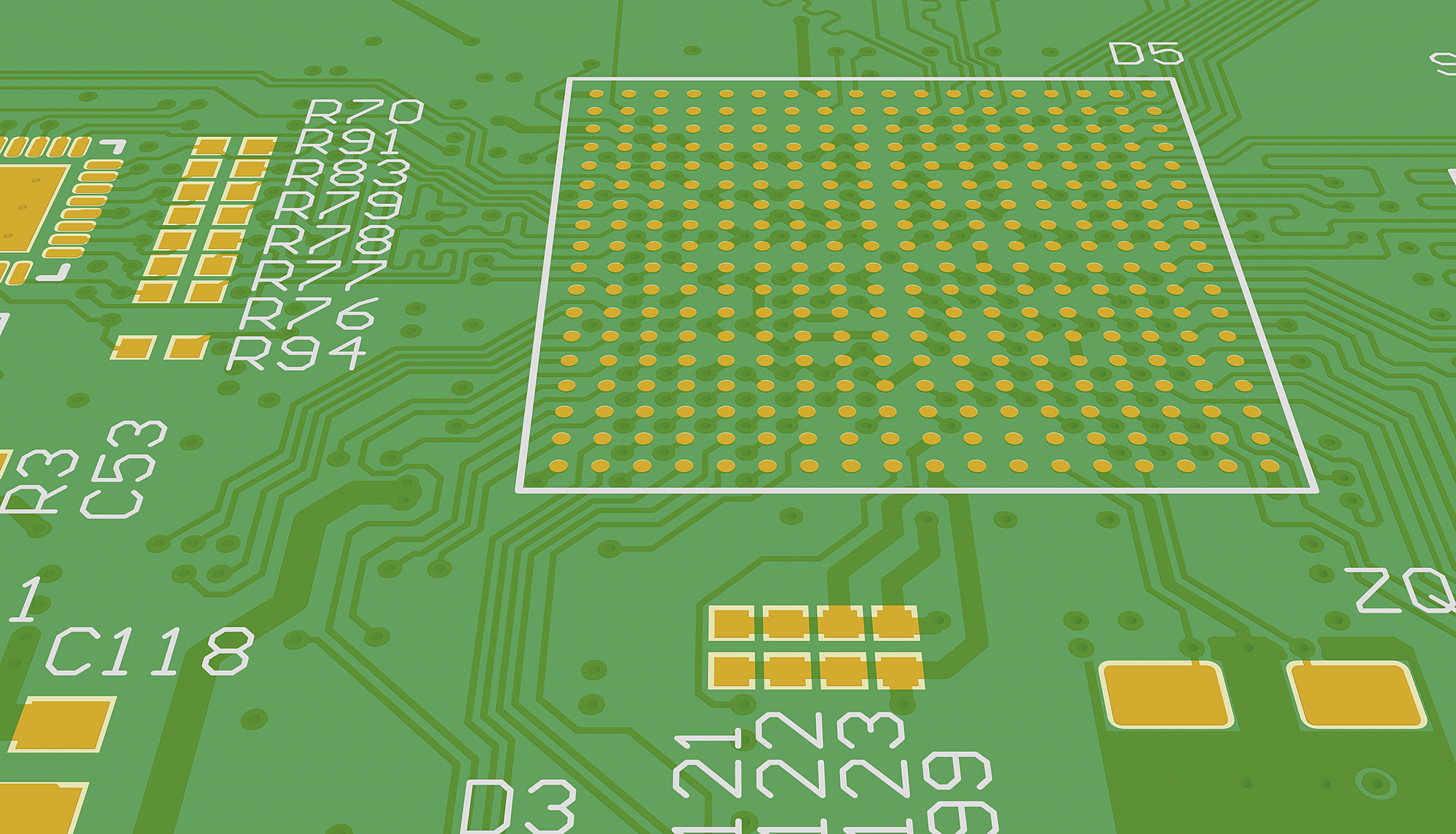
If you were the kind of kid who loved taking apart radios, game systems, remote controls, or old computers just to see what was inside, you probably remember finding green circuit boards covered in tiny white markings, letters, numbers, and symbols. Those markings may have looked like a secret code at first, but they actually serve an important purpose in electronics manufacturing and assembly. This printed information is known as the PCB silkscreen.
A PCB silkscreen is the layer of text, symbols, and markings printed onto the surface of a Printed Circuit Board (PCB). It is designed to provide clear visual information for engineers, technicians, and assembly teams. The silkscreen helps identify electronic components, polarity markings, test points, pin numbers, company logos, warning labels, and other important manufacturing information.
What Does the PCB Silkscreen Do?
The silkscreen layer acts like a guide or instruction map for assembling and troubleshooting the circuit board. Without it, identifying components and understanding the board layout would be far more difficult and time-consuming.
Typical information included in a PCB silkscreen layer may include:
- Component identifiers such as R1, C2, or U5
- Polarity indicators for diodes and capacitors
- Test points for diagnostics
- PCB and PCBA part numbers
- Manufacturer logos and branding
- Date codes and serial numbers
- Warning labels or safety indicators
- Connector pin labels
These markings help technicians place components correctly during assembly and assist engineers during testing, repair, and maintenance.
Silkscreen Colors and Materials
The most common silkscreen color is white because it provides excellent contrast against the traditional green solder mask found on many PCBs. However, silkscreens are not limited to white ink. Depending on the design and appearance requirements, manufacturers may also use:
- Black
- Yellow
- Red
- Blue
- Gray
Specially formulated inks are used to ensure durability and readability during the PCB manufacturing process. The silkscreen must remain visible even after the board experiences heat, cleaning, and assembly procedures.
When Is the Silkscreen Applied?
The silkscreen layer is typically added near the end of the PCB fabrication process. Before the individual boards are separated from larger manufacturing panels, the silkscreen is printed onto the boards. This step occurs prior to the final surface finish or routing and scoring operations.
Modern PCB manufacturers may use several methods for applying silkscreen, including:
- Traditional screen printing
- Liquid photo imaging (LPI)
- Direct legend printing
Advanced printing techniques help improve precision, readability, and production efficiency.
Common PCB Silkscreen Design Mistakes
PCB layout designers must carefully review their silkscreen layer before sending files to manufacturing. Poor silkscreen placement can create confusion during assembly or interfere with soldering operations.
Some common design mistakes include:
- Printing text over component pads
- Using text that is too small to read
- Placing markings too close to board edges
- Ignoring manufacturing registration tolerances
- Overcrowding important labels
Proper silkscreen design improves manufacturability, reduces assembly errors, and makes future troubleshooting easier.
Partner with Yun Industrial ACME PCB Assembly
At Yun Industrial ACME PCB Assembly, quality PCB fabrication and assembly are our specialty. From precise silkscreen printing to advanced PCB manufacturing solutions, our team delivers reliable circuit boards designed for performance and accuracy.
Whether you need prototype PCB production, full-scale manufacturing, or custom PCB assembly services, we are committed to delivering dependable results with exceptional attention to detail.
Contact Yun Industrial ACME PCB Assembly today to learn more about our PCB fabrication and assembly capabilities.
Looking for a new PCB manufacturer? Contact Yun Industrial ACME PCB today.